Germany

“The more that you read, the more things you will know. The more that you learn, the more places you’ll go.” — Dr. Seuss

Erbe und Innovation

Hallo Deutschland

The country of Germany displays its cultural heritage through its historical castles, which drive innovation, while its cities operate as active centres of business activity. Germany provides young people with educational excellence, together with diverse cultural experiences and future-oriented learning opportunities. The country of Germany provides a space for children to develop their skills while exploring various activities, which include visiting science museums and participating in international programs.
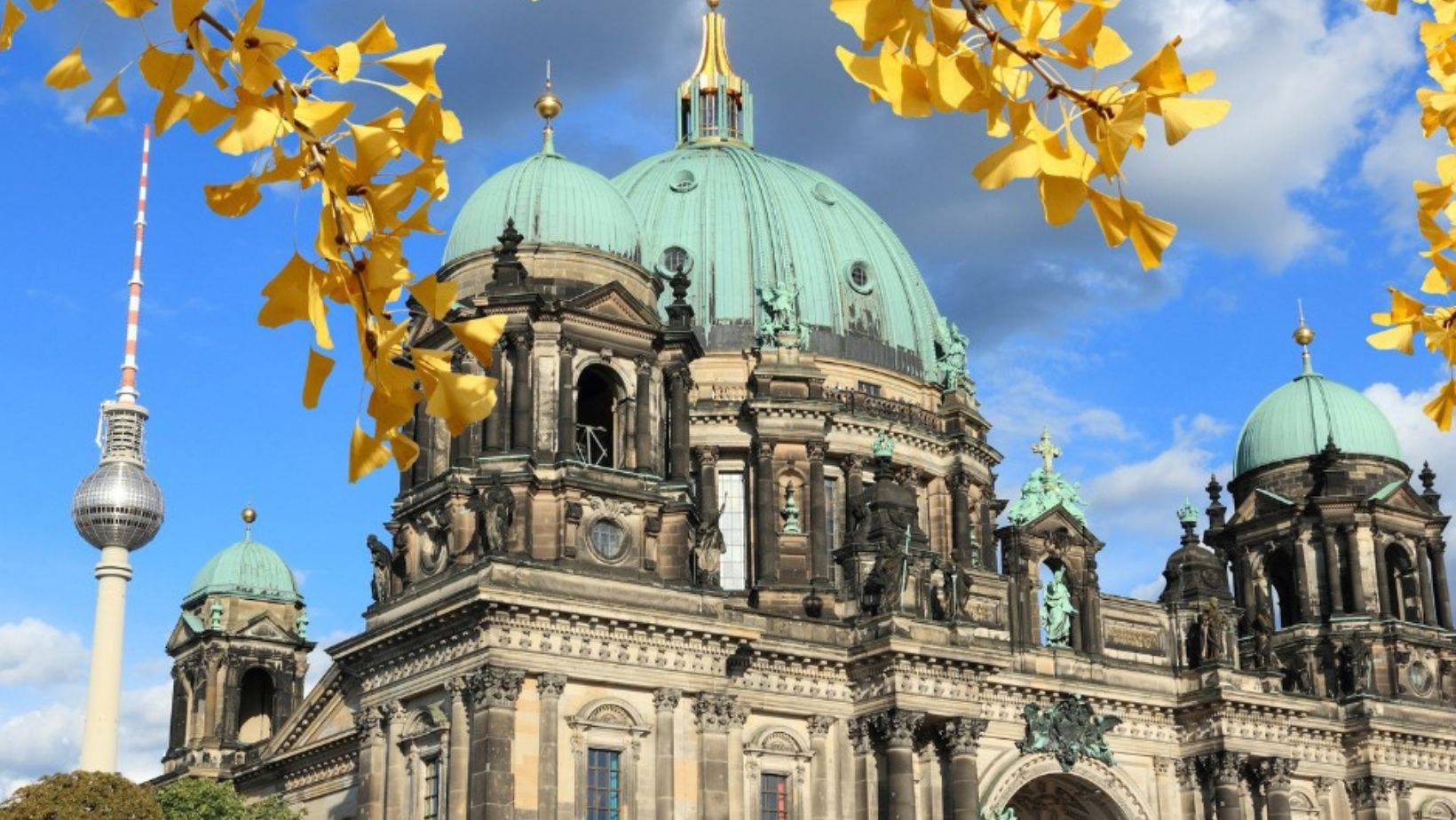
Germany Castle

Learning Without Limits

Learning Without Limits provides educational programs that create new possibilities for student learning. The German education system combines academic excellence with practical training to prepare students for their professional future.

Schools & Universities

The German education system includes schools with international recognition and universities that rank among the best educational institutions in the world, together with Ludwig Maximilian University of Munich and Technical University of Berlin. The country is also home to numerous vocational schools (Fachhochschulen) where students gain practical experience alongside theoretical knowledge.

Programs for Young Learners

Children can participate in STEM workshops, arts programs, coding clubs, and environmental projects, which create interactive, enjoyable, and valuable learning experiences.

German Education

Trending Courses & Career Pathways

The German education system provides programs which support both traditional academic disciplines and contemporary professional fields.

Engineering & Technology

Mechanical, automotive, and electrical engineering with strong professional demand.

Computer Science & AI

Coding, cybersecurity, and software development for digital careers.

Science & Medicine

Biology, chemistry, medicine, and health sciences with lab experience.

Business & Relations

Finance, entrepreneurship, and global trade courses.

Top Institutions in Germany

Scholarships in Germany

Germany offers world-class education with significant financial backing through various foundations and academic exchange services.

DAAD Scholarships

Offers specialized programs like EPOS for development-related courses, including a monthly stipend of approximately €992.

Heinrich Böll Foundation

Awarded to talented students with strong academic records and a keen interest in social justice, humanities, or environmental studies.

KAS Scholarships

Targets leadership potential, offering €861/month for postgraduates and up to €1,200/month for PhD candidates.

Safety & Well-Being: A Secure and Nurturing Environment

Germany is consistently ranked among the safest countries in Europe, offering families peace of mind.

Safe Communities

Low crime rates and strong social support make it a welcoming environment for children.

Healthcare System

High-quality healthcare ensures that children and families have access to reliable medical services.

Green Spaces

Parks, forests, and biking trails encourage outdoor learning, sports, and exploration.

Parent Perspective: What Matters Most

Parents can feel confident about raising or educating children in Germany:

High Quality of Life

Excellent infrastructure, safe neighbourhoods, and family-friendly services.

Strong Education System

Emphasis on critical thinking, vocational training, and global academic standards.

Cost-Effective

Public schooling is free, and many universities offer low or no tuition fees.

Future Opportunities

Germany’s economy and strong industrial sectors provide pathways for internships and careers.

Assistance

Frequently Asked Questions

Public universities in most states have no tuition fees. You only pay a "Semester Contribution" (€250–€350) which usually includes a public transport pass.
It is a special bank account required for your visa. For 2026, you must deposit approximately €11,904, from which you can withdraw €992 per month for living expenses.
Yes. The APS Academic Evaluation Centre (Akademische Prufstelle) certificate is mandatory for Indian students to verify their academic documents before applying for a German visa.
Yes, there are hundreds of International Programs taught entirely in English. However, learning basic German (A1/A2) is highly recommended for part-time jobs and daily life.
Germany offers a generous 18-month Job-Seeker Visa after graduation. Once you find a job related to your degree, you can switch to an EU Blue Card.
Launched in 2024/25, this points-based system allows graduates to stay and look for work based on their skills, even if they do not have a job offer yet.
Students are allowed to work 120 full days or 240 half days per year. Most students work as "Werkstudent" (working students) in their field of study.
Universities focus on research and theory, while Universities of Applied Sciences (UAS) are more practice-oriented and have strong ties to the industry.
Yes. You cannot enroll at a German university without proof of statutory (public) or private health insurance.
Due to the APS requirement, you should start at least 4–5 months before your intake. The visa itself typically takes 4–8 weeks.
“Tell me and I forget. Teach me and I remember. Involve me and I learn.”

— Benjamin Franklin

Ready to begin your international academic journey?
Book Free Session